
When Do Babies Roll Over? Typical Ages, Stages and How to Help
When most babies roll over, which direction usually comes first, simple ways to practice, how rolling changes safe sleep and swaddling, and when to check in with your pediatrician.
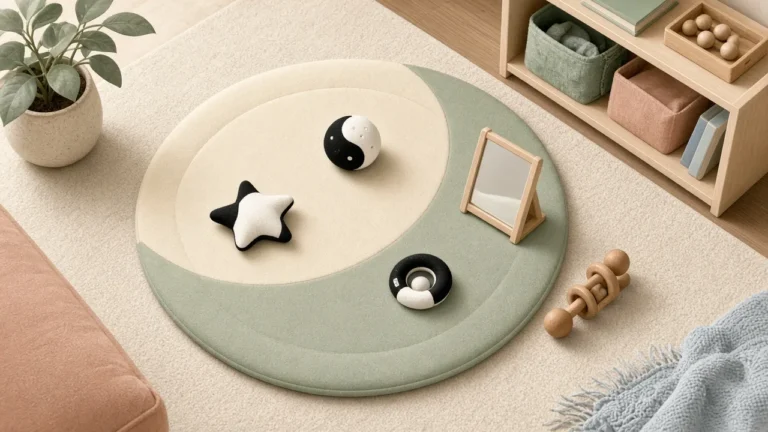
When most babies roll over, which direction usually comes first, simple ways to practice, how rolling changes safe sleep and swaddling, and when to check in with your pediatrician.

What a Montessori floor bed is, the safe age to start based on AAP sleep guidance, how to childproof the room step by step and how to help your toddler make the switch.
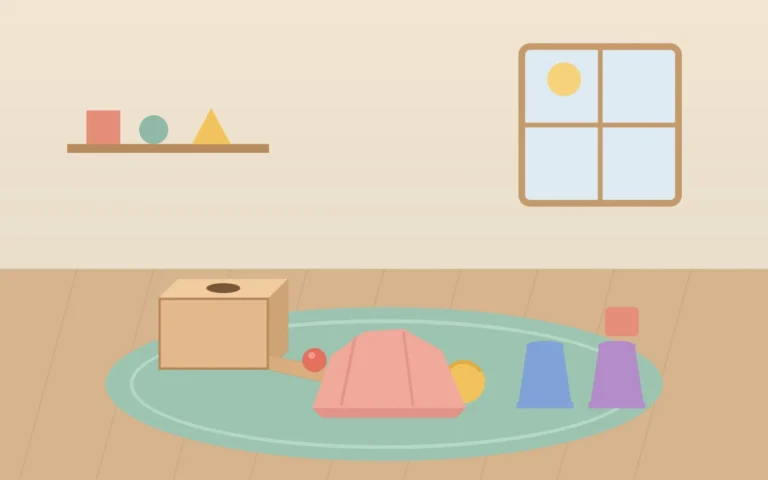
Object permanence is a baby’s understanding that things still exist out of sight. When it develops, signs by age, the link to separation anxiety and sleep, and games to try.

Most babies sit on their own around 6 months, but the healthy range runs from about 4 to 9 months. Stages, readiness signs, how to help, baby seat safety and when to call the pediatrician.
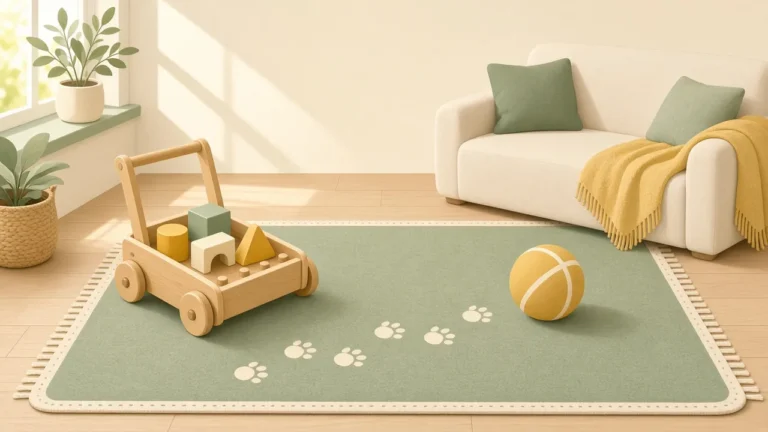
Many babies take first steps around their first birthday, but the healthy range runs from about 8 to 17.6 months. Stages, readiness signs, shoes, walkers and when to call the pediatrician.
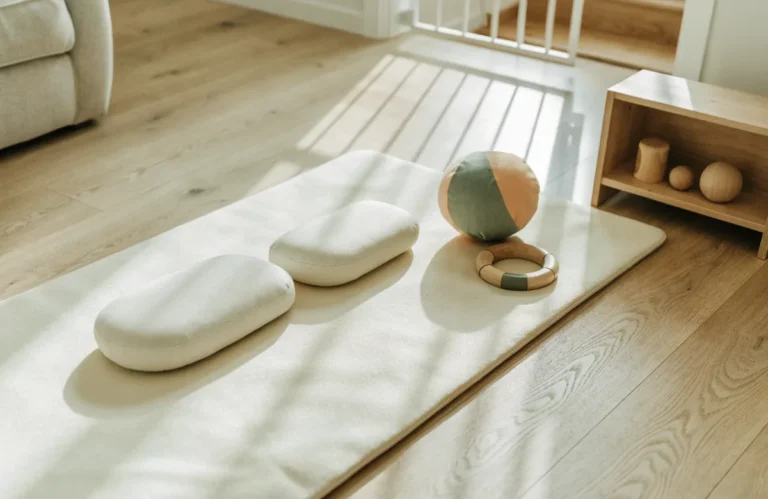
Most babies crawl between 7 and 10 months, but the healthy range is wider and some babies skip crawling. Styles, readiness signs, safe ways to help and when to call the pediatrician.
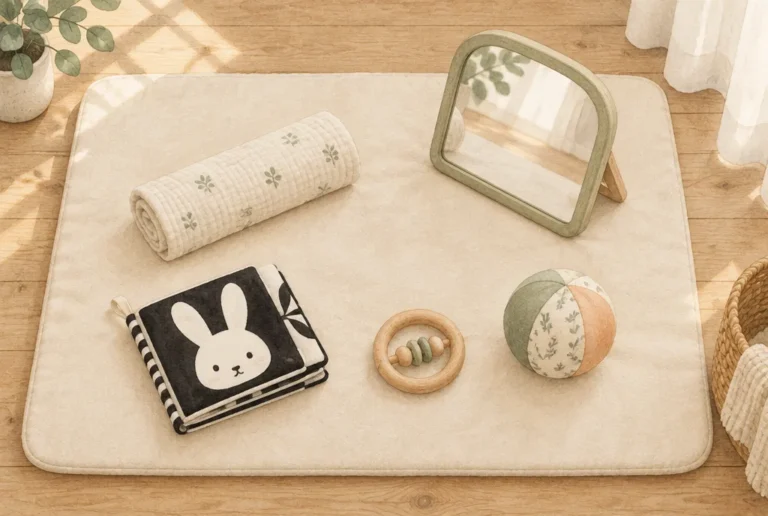
How much tummy time babies need from the first days home to crawling, with positions, safety rules and signs to mention to your pediatrician.
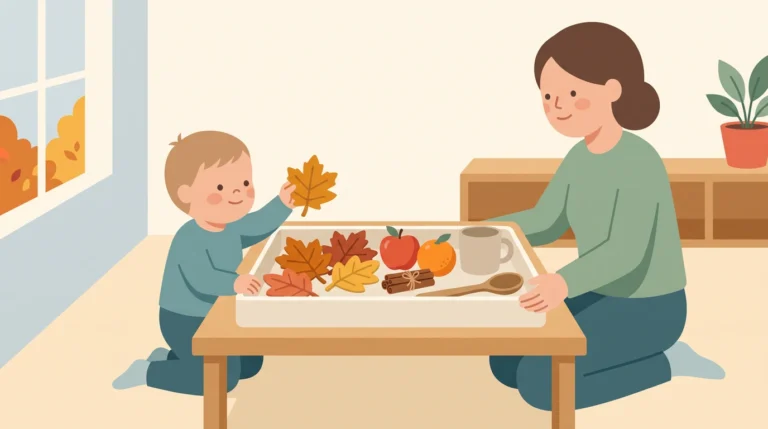
Most Thanksgiving sensory bin ideas use corn kernels and mini pumpkins. Get safer swaps, 8 toddler tested bins, and a real holiday supervision plan.
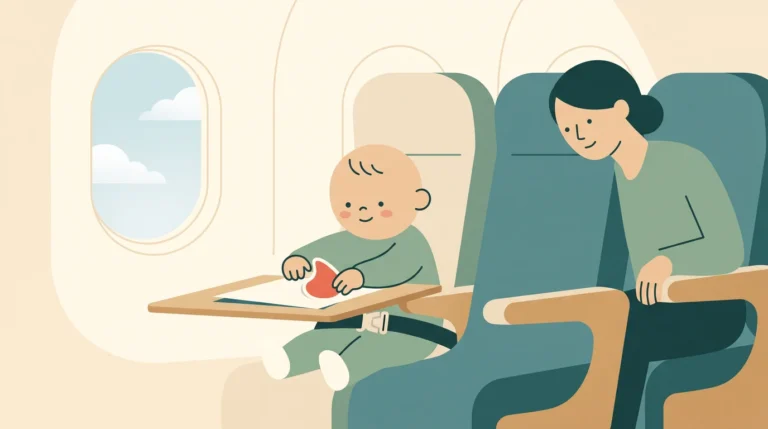
Activities for 2 year olds on plane trips fail from bad timing, not bad packing. Here is the phase-by-phase plan that keeps a whole flight calm.
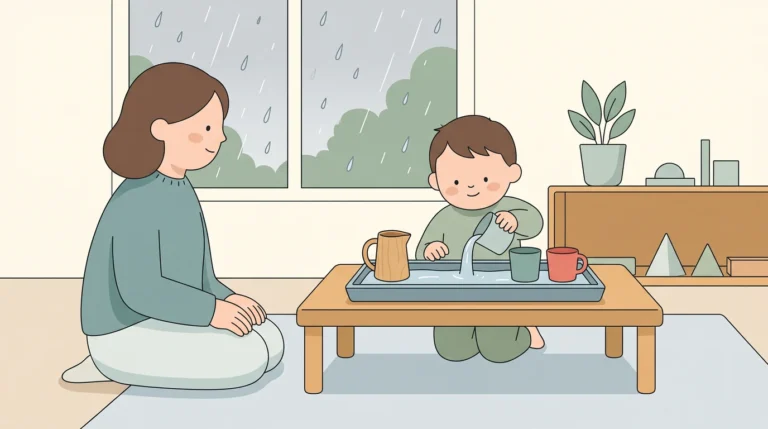
Indoor activities for 2 year olds sorted by why you’re stuck inside: bad weather, illness, a tired parent, thin walls, or a long dark stretch.